About
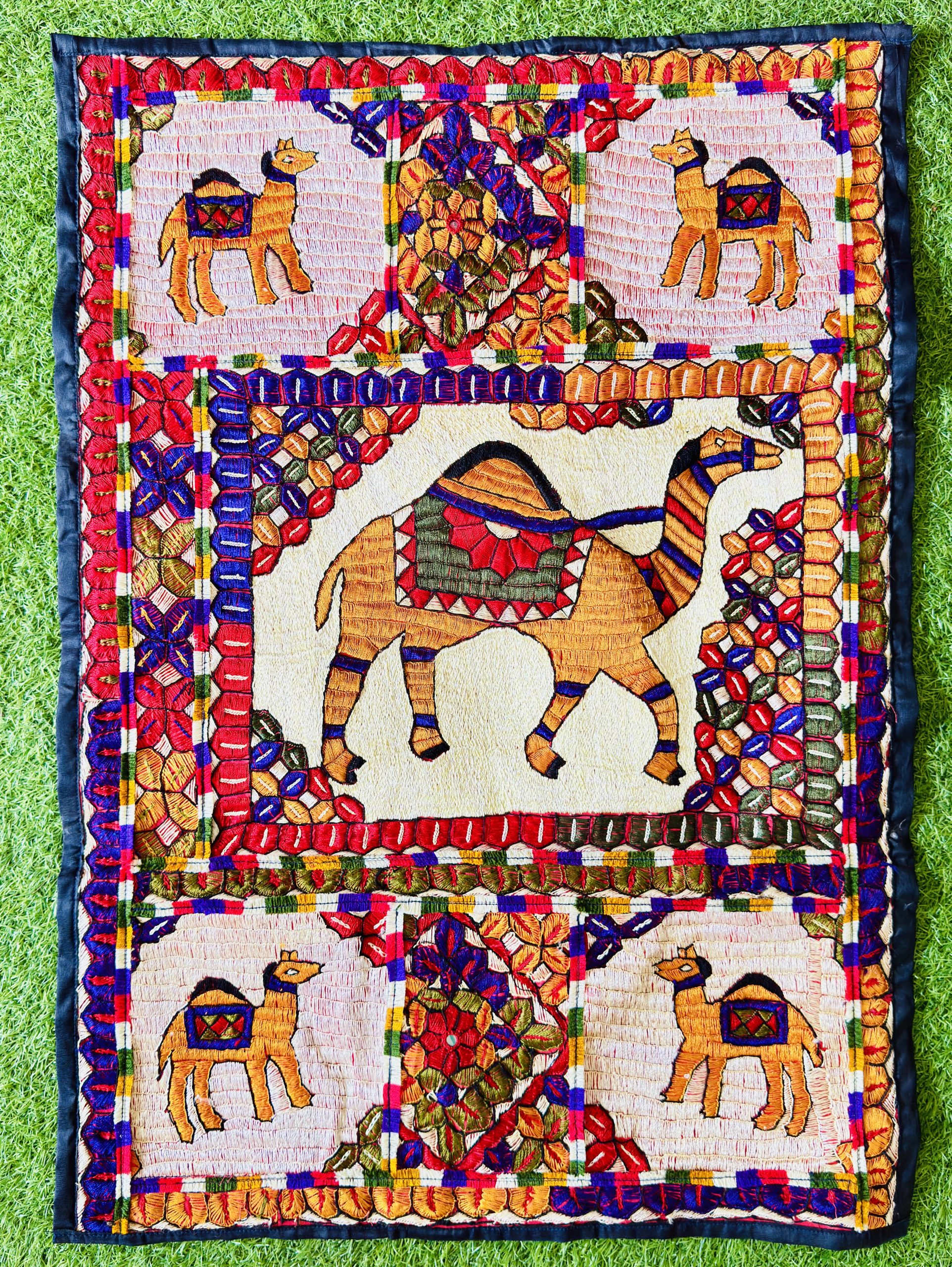
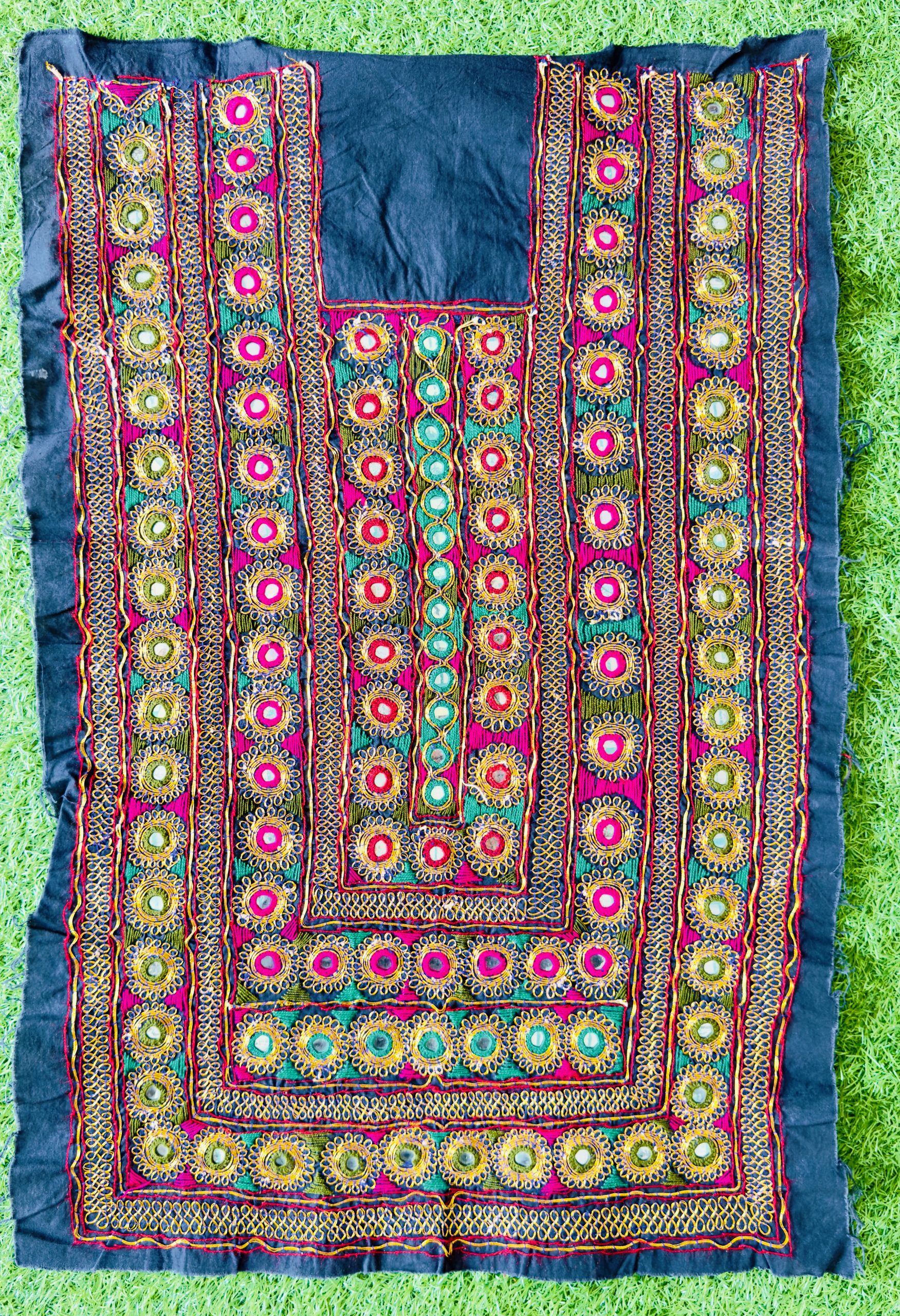
Thar Textiles (Private) Limited is an emerging social enterprise rooted in the desert region of Tharparkar, Sindh. Grounded in the rich craft traditions of the region, the initiative strives to promote sustainable crafts under fair working conditions, an inclusive cultural ethos, and a just climate vision. It builds upon the long-standing embroidery, appliqué, and stitching practices of Thari artisans and is steadily working to shape a climate-aware, community-centered craft economy.
Historic Background and Vision:
Thar Textiles was initiated with a clear purpose: to support Thari craftspersons—especially those with limited economic options—by promoting their heritage through fair, inclusive, culturally rooted, and environmentally responsible practices.
Emerging from decades of undervalued and informal craft labor, the initiative aims to ensure that traditional skills translate into dignity, diversified income, and climate resilience. In its initial phase, Thar Textiles has preliminarly engaged with groups of rural artisans in different villages of Tharparkar, offering skill development, design enhancement, and access to fair and transparent marketing channels through its craft display outlet in Mithi.
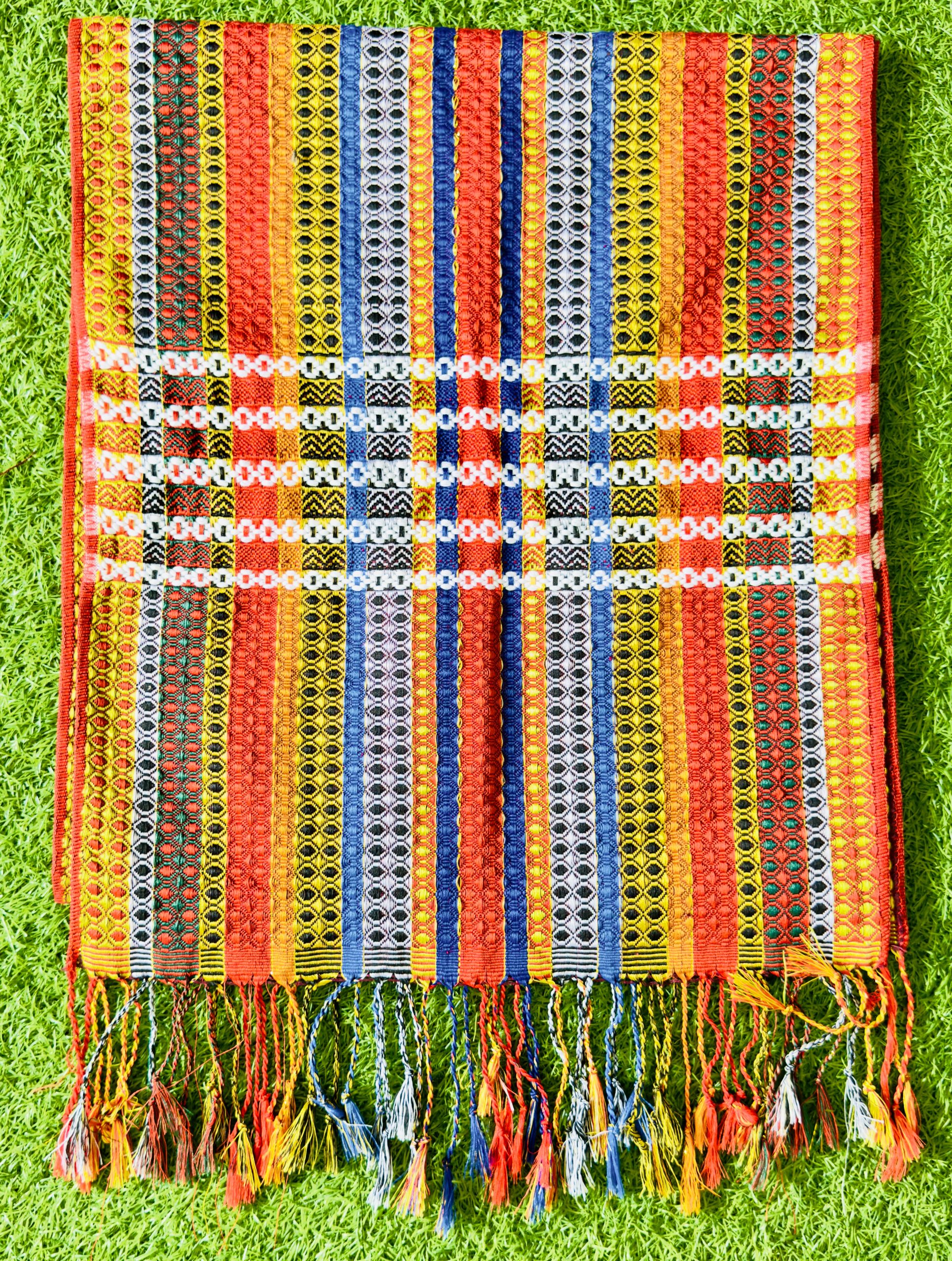
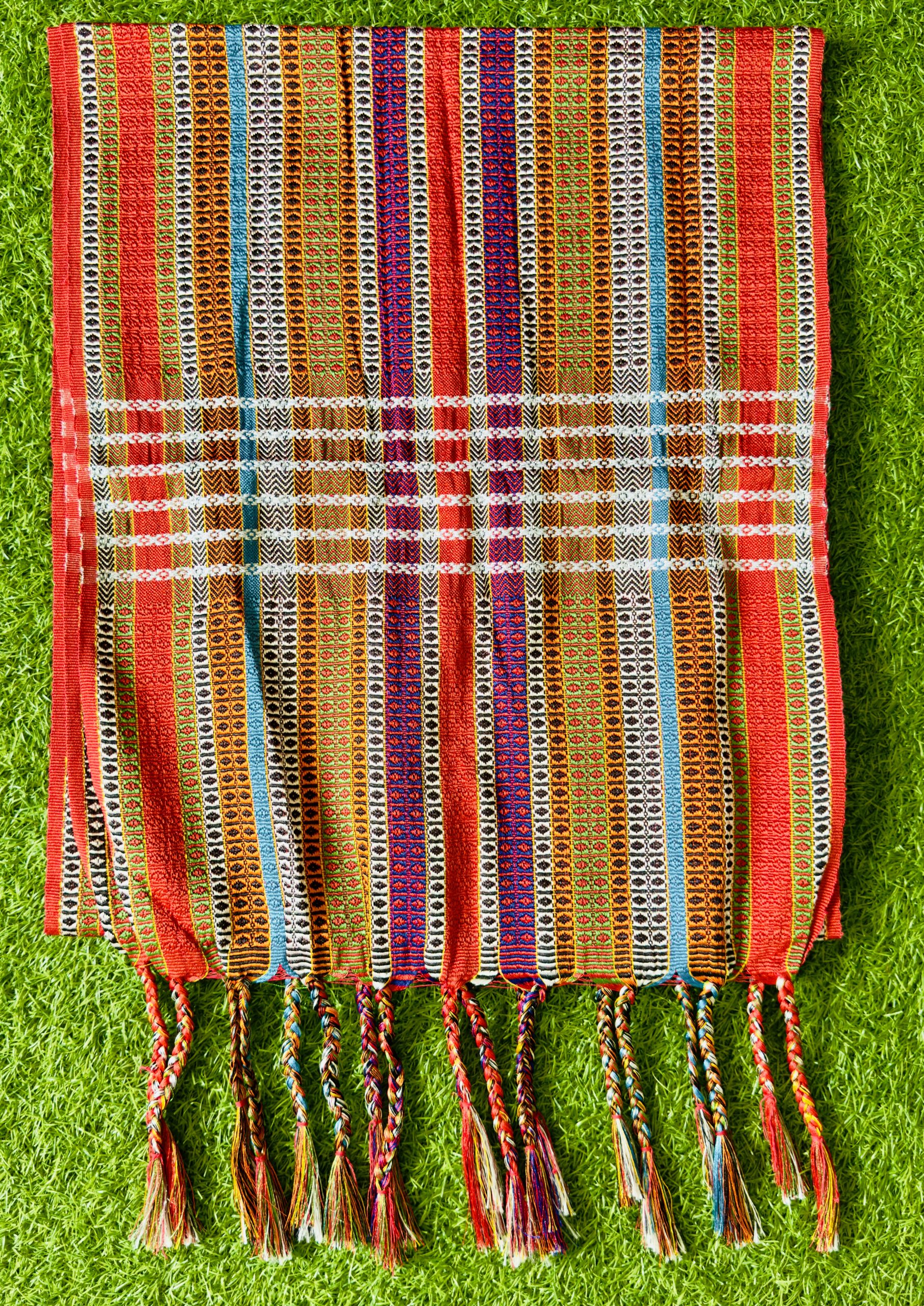
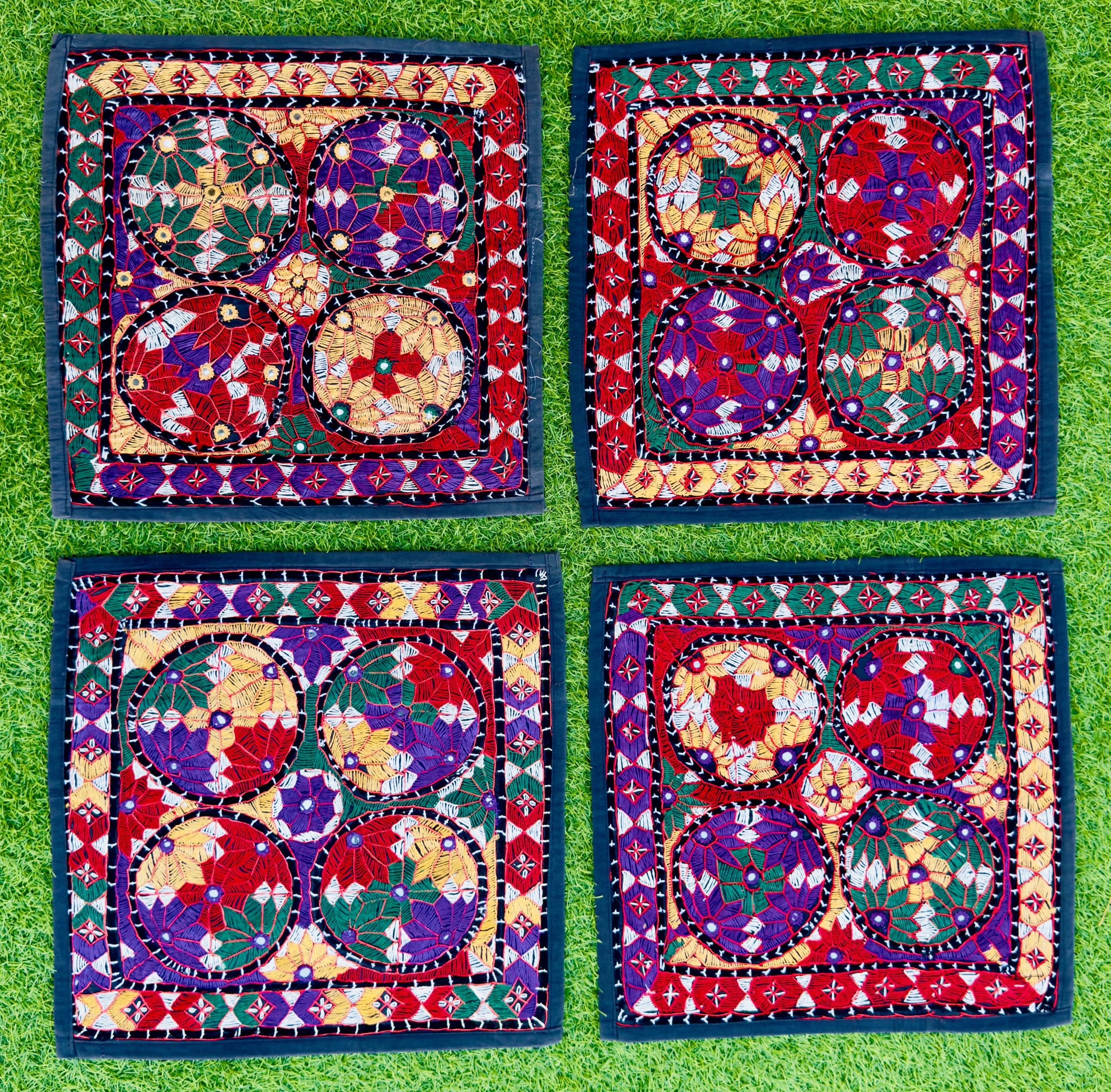
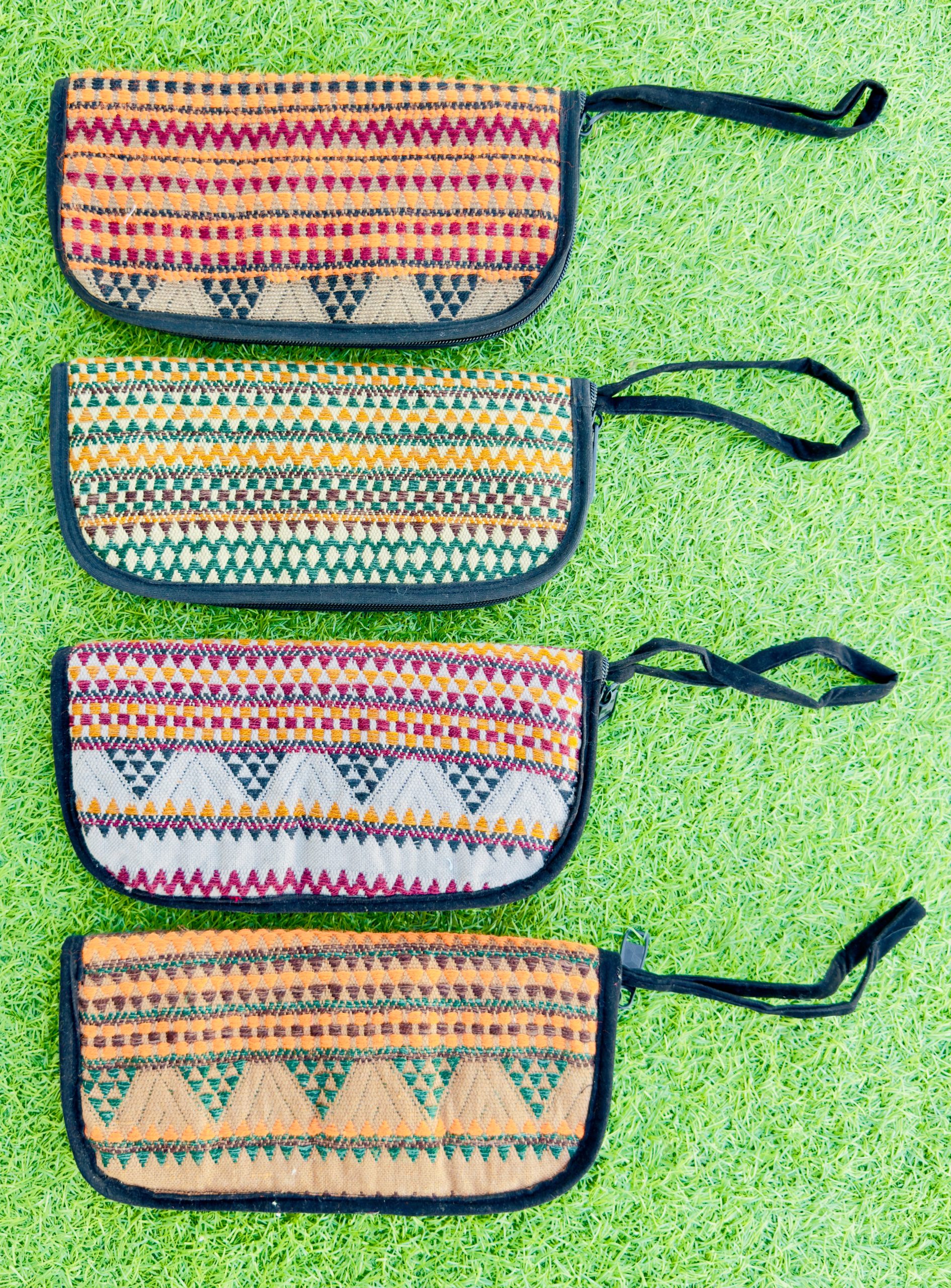
Each handcrafted product—whether a shawl, garment, or appliqué piece—mirrors the desert’s colors, symbolism, and deep cultural identity.
Sustainable & Just Climate Practices:
Guided by its core values of sustainable crafts and just climate, Thar Textiles is gradually integrating renewable-energy thinking and low-impact production practices into its work. Recognizing the energy poverty of remote villages, the enterprise advocates for rooftop solar lighting and clean-energy tools that enable artisans to work safely after sunset, reduce fossil fuel dependence, and adopt climate-friendly production cycles.
These efforts reflect a long-term vision of linking traditional craftsmanship with environmental responsibility and low-carbon development within Sindh’s broader textile and cotton value chains.
Crafts, Tourism, Folk Music & Cultural Economy:
Craft Display and Marketing Outlet in Mithi:
Cultural Promotion & Folk Heritage:
To further strengthen local livelihoods, Thar Textiles in collaboration with Cafe Thar is also expanding its support for folk singers and cultural practitioners. Through small-scale performances, recording support, and digital visibility, the initiative is helping emerging voices gain recognition while enhancing the cultural dimension of Thar’s craft economy. This integration of craft and music strengthens community cohesion and broadens income opportunities tied to cultural heritage.
Climate Resilience & Alternative Livelihoods:
In Tharparkar, droughts, disasters, and climate-linked crises repeatedly undermine agro-pastoral livelihoods—the primary income source for most rural families. In this climate-fragile context, responsible craft enterprises offer a strong, sustainable, and resilient alternative.
Craft-making provides year-round income that is not dependent on rainfall, grazing cycles, or climatic uncertainty. By strengthening this sector, Thar Textiles contributes to a climate-resilient local economy that supports marginalized households, reduces vulnerability during crises, and preserves cultural knowledge while creating stable income streams.
Toward a Sustainable Textile Future:
The enterprise is also examining energy patterns and environmental impacts in crafts and textile-related value chains, particularly in cotton-growing regions. This work aims to encourage fairer, cleaner, and more sustainable energy practices across the wider textile landscape of Sindh.
Future Direction:

Progress of grant initiative supported by UMI Fund
MAKING TEXTILES CLEAN – INITIATIVE OVERVIEW
AN UMI FUND–SUPPORTED AND CSSP-COLLABORATED INITIATIVE, MAKING TEXTILES CLEAN FOCUSES ON MAPPING THE ENERGY LANDSCAPE OF COTTON GINNING FACTORIES IN SANGHAR AND MIRPURKHAS DISTRICTS OF SINDH. THE STUDY ASSESSES FOSSIL-FUEL DEPENDENCE, ENERGY COSTS, AND CLEAN-ENERGY POTENTIAL TO GENERATE EVIDENCE FOR INDUSTRY ENGAGEMENT AND POLICY ADVOCACY TOWARD CLEANER, AFFORDABLE ENERGY TRANSITIONS IN SINDH’S TEXTILE VALUE CHAIN.
| Activity | Status / Timeline |
|---|---|
|
Project Start Date
|
Initiated (Grant period commenced)
|
|
Data Collection of Factories
|
Completed – factory-level surveys and energy profiling in Sanghar & Mirpurkhas
|
|
District Consultations
|
Completed – consultations with ginning owners and local stakeholders in both districts
|
|
Provincial Consultation (Validation)
|
Planned / Ongoing – provincial-level validation with industry stakeholders
|
|
Case Studies Collection
|
Completed – representative factory case studies documented
|
|
Analysis & Report Writing
|
Ongoing – data analysis and draft report preparation
|
|
Website Launch
|
Completed – digital platform launched for knowledge sharing
|
|
Study Launch Event
|
Planned – public dissemination with policymakers and industry
|
Follow